
Chapters
Romania’s history has been shaped not only by rulers and revolutions, but also by remarkable Romanian women whose courage, intelligence, and creativity transformed society. From pioneers in science and literature to influential figures in politics, arts, and social reform, Romanian women have played a defining role in the country’s cultural and historical evolution. Their stories reveal strength, resilience, and vision—qualities that continue to inspire new generations both in Romania and beyond.
5 most famous Romanian women of the present time
Nadia Comaneci – when perfection got a name

When talking about Romania and its famous people, Nadia Comaneci is among the first names in everyone’s mind. Among the most celebrated Romanian women in history, she remains a symbol of excellence and courage. Who can forget the first “perfect 10” in the history of the Olympic Gymnastics? She was only 14 years old when she turned upside down the world of sports at the 1976 Olympics in Montreal.
Ten had no particular meaning, no reference; it simply meant zero mistakes. Although it was a score that any gymnast could obtain in theory, no one truly dreamed of it, as zero mistakes seemed just not possible. But perfection came in the shape of a cute, apparently fragile girl from communist Romania who simply did her best and played her chance to the fullest! The world was not ready to greet such a talent — not even the scoreboard. When the jury had to present the result, the best they could do was display a 1.0, which everyone thought at first was just an error. Nadia later confessed that she felt confused when she saw the result but remained calm, waiting for her 9 and something to appear. Meanwhile, the crowd was already applauding loudly, and one of her teammates said to her, “I think it’s a 10!” In the same competition, she received six more perfect 10s and won three gold medals. She was unstoppable, and she quickly became one of the most admired Romanian women worldwide.
And so, a legend was born. Many say that on that day, the world of sports changed into “before Nadia” and “after Nadia.”
Courageous and ambitious, she was also highly innovative. On the balance beam, she was the first gymnast to perform an aerial walkover and an aerial cartwheel-back handspring flight series. Her determination and discipline made her not only a champion, but also one of the Romanian women who redefined what perfection in sport truly means.
Since 1989, Nadia has lived in the USA. Sport remains a big part of her life, and she continues to inspire young gymnasts around the world. She is also a successful businesswoman, a devoted wife, and a proud mother of a 15-year-old boy. She truly has it all, and she deserves it — because she dared to achieve what once seemed impossible.
Maia Morgenstern – forever on stage
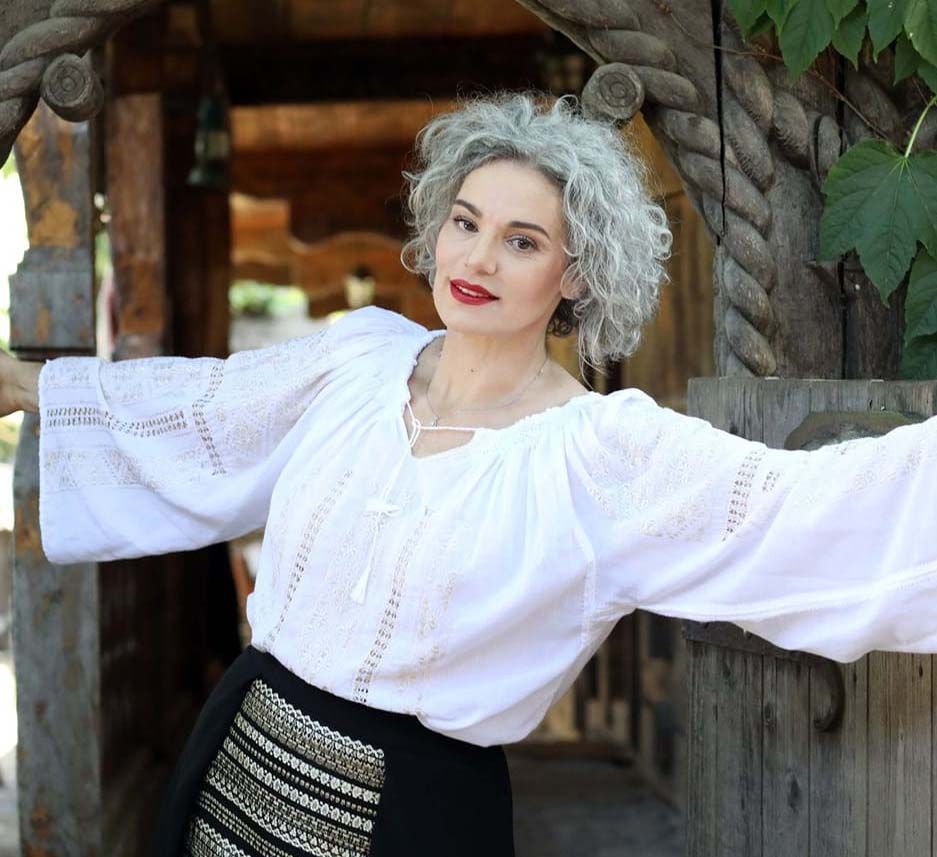
Maia Morgenstern is one of the best-regarded Romanian actresses and one of the most respected Romanian women in the world of performing arts. She is probably best known for her magnificent interpretation of the Virgin Mary in Mel Gibson’s The Passion of the Christ (2004).
Born on May 1, 1962, into a Jewish family in Bucharest, she began her career facing rejection, as she was not admitted to the Faculty of Theater on her first attempt. She entered the world of theatre by confronting her biggest fear — failure. Instead of giving up, she chose to try again the following year. Even though she was burning with a 40°C fever on the day of the exam, she succeeded and was admitted. That determination would later define her as one of the strongest Romanian women in contemporary cultural life.
She has often confessed that theatre was always inside her, although she did not fully realize it until her father pointed it out. He was the one who noticed the pure joy in his daughter’s eyes every time they went to watch a play together. Maia absorbed every word and every breath on stage; she would catch every movement and later describe every minute of the performance in remarkable detail. It was clear that her talent simply needed the right moment to manifest, grow, and conquer audiences far beyond Romania.
Although Maia considers herself primarily a stage actress, as she feels she can fully express herself in front of a live audience, she is equally brilliant on screen. Her unique personality, charm, candor, and magnetic presence — combined with a powerful talent that shines especially in dramatic roles — have made her a role model for many Romanian women and for audiences worldwide. Even if she does not constantly appear on television, every time she accepts to be part of an advertisement, a social campaign, or even a music video, she brings depth and authenticity to it. She is a true artist and a powerful example of how success is built: with passion, courage, and unwavering dedication.
Angela Gheorghiu – the voice that conquers hearts
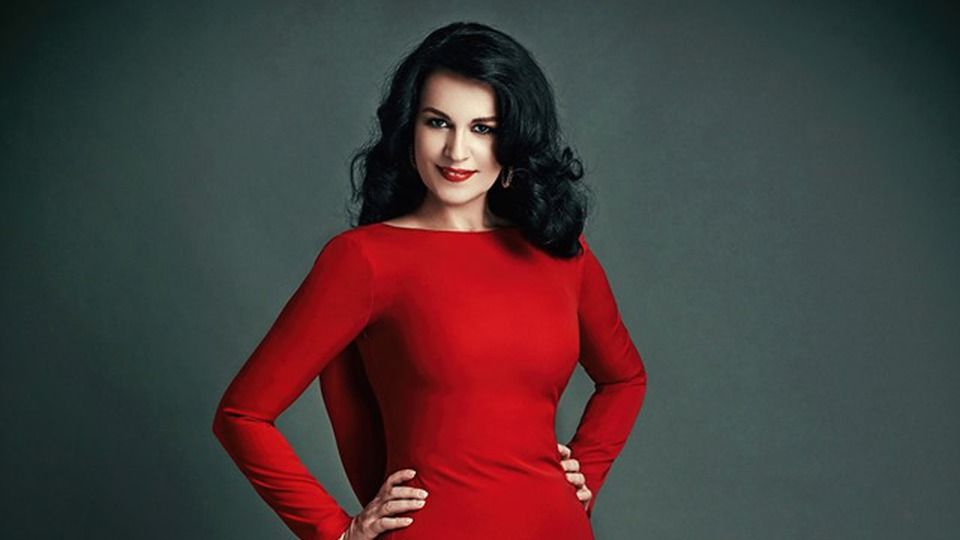
Angela Gheorghiu is considered a true musical phenomenon, a rare star of opera singing and one of the most celebrated Romanian women on the international stage. Not only is her voice extraordinary, but she is a complete artist: an exceptional actress, as if she were born for the stage, with an impeccable vocal technique, a magnetic personality, and vibrant natural beauty. She has been praised by music critics worldwide, who struggle to find any flaw in her singing or acting, and above all, the audience simply adores her. Born in 1965 in the small town of Adjud, Romania, she knew from an early age that music would be her destiny. And so it was — and still is. Her international breakthrough came in 1992 at London’s Royal Opera House, where she performed the role of Mimi in La Bohème. That was only the beginning of her journey across the world’s most prestigious opera stages. She has performed in Vienna, Monte Carlo, New York, Moscow, London, and Paris, and the list continues to grow. For her, nothing seems too difficult. La Traviata, Tosca, Faust, and Romeo and Juliet have become almost a second language.
In 1999, she took part with great success in the concert “Michael Jackson and Friends” in Munich. She also performed at the historic “Prom at the Palace” concert on June 1, 2002, marking the Golden Jubilee of Queen Elizabeth II. In 2011, she was the guest of honor at the grand reopening of the Bolshoi Theatre in Moscow. In 2017, she played an important role in the Luciano Pavarotti 10th anniversary concert at the Arena di Verona, sharing the stage with Plácido Domingo, José Carreras, Il Volo, and Massimo Ranieri. Through her passion, discipline, and unmistakable presence, Angela Gheorghiu has secured her place among the most influential Romanian women in the arts. She continues to inspire new generations with her talent and elegance, and we cannot wait to see her once again on the stage where she truly belongs.
Uca Marinescu – exploring the unexplored
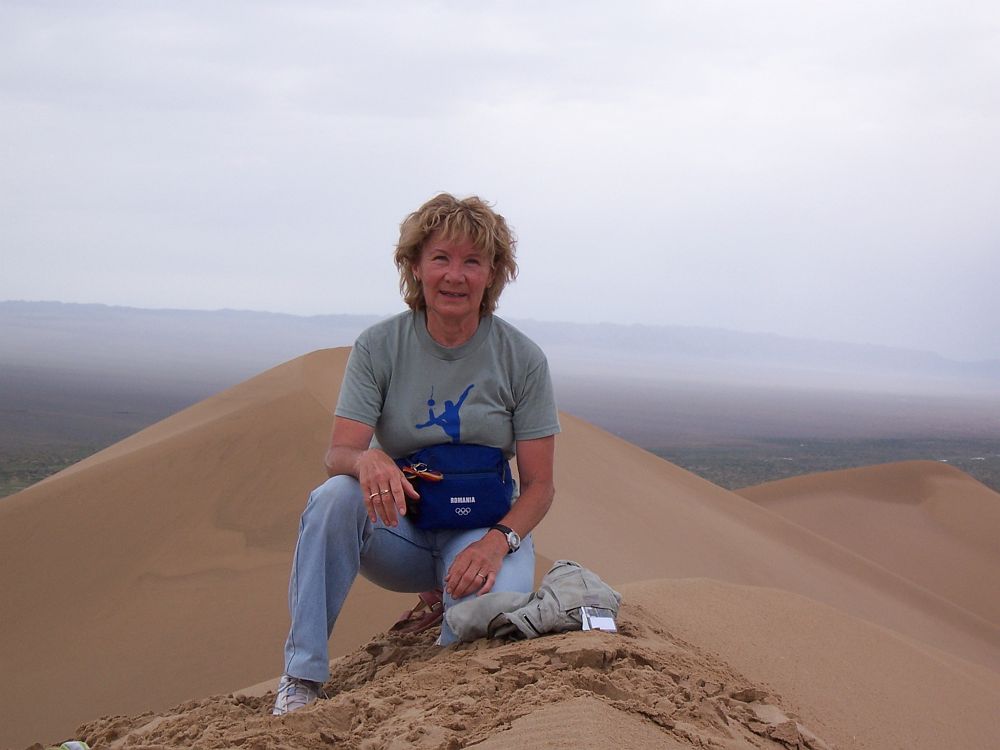
Uca Marinescu is one of the most courageous explorers and travelers in the world, an incredible woman who proved that age is just a number and that nothing is impossible with determination and faith. She stands among the most adventurous Romanian women in history. At the age of 61, she became the first woman in the world to reach both geographical poles of the Earth in a single year. To this day, she remains the only woman to have reached all four poles of the planet, including the South and North Magnetic Poles. She is also the first Romanian to set foot on the frozen lands of Antarctica and the first Romanian to climb the glaciers of the Altai Mountains.
Born in 1940, in the Harghita region of Romania — a place often called “the north pole of Romania” because of its harsh winters — Uca began exploring the world at a very young age. From the age of four, her parents would take her on short hikes in the nearby Carpathian Mountains, where she developed a love for observing wild animals and understanding nature.
As she grew older, she became a sports teacher, traveling during holidays and constantly trying to reach the world’s most remote corners. Romania was still under communist rule at the time, which limited her opportunities for international travel. For this reason, her most spectacular expeditions began only after 1990, when she was already in her 50s. But age was never an obstacle. Although she achieved remarkable climbing performances, she has always been deeply interested in human nature as well. In every expedition she undertook, no matter the peak she climbed, she made time to connect with and understand local communities. More impressively, she often explored remote parts of the world alone, without teammates. In 1990, she crossed China from east to west, reaching Tibet. Six years later, she repeated the challenge in Canada, crossing the country from east to west until she reached Yukon and the shores of the Arctic Ocean in search of the last Inuit settlements. She has seen all the oceans and explored every continent. Uca Marinescu remains one of those Romanian women whose courage goes beyond borders — a true citizen of the world and an inspiring example of resilience and independence.
Simona Halep – a dream come true. Becoming WTA World no. 1
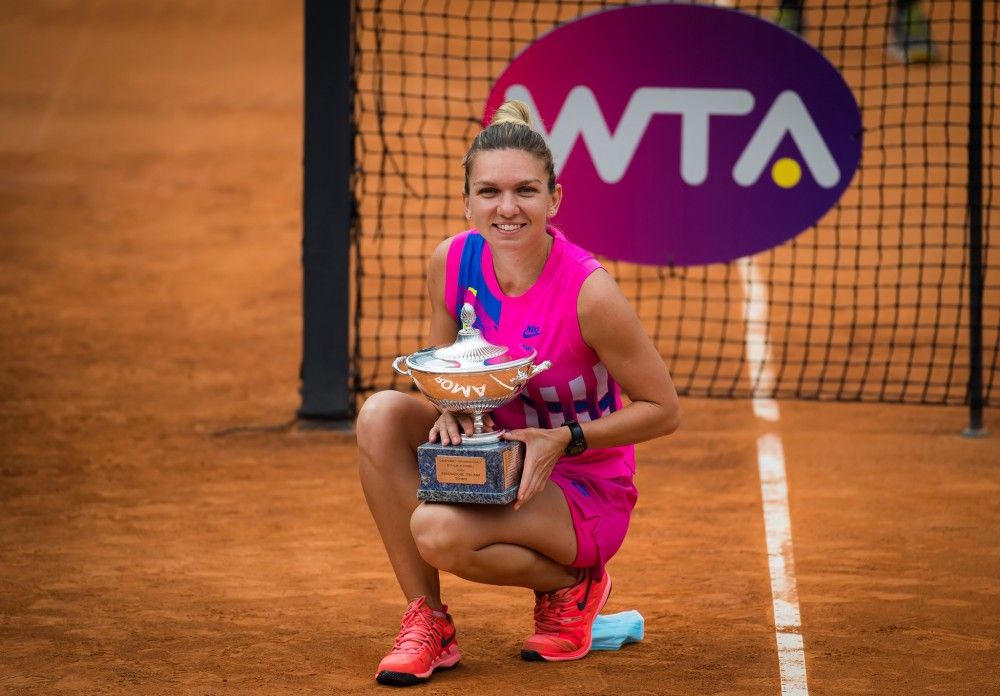
Simona Halep is undoubtedly one of the most appreciated role models of the young generation and one of the most successful Romanian women in modern sports history. There is no Romanian who doesn’t know that she became, in 2017 and 2019, number one in the WTA ranking of the best women’s tennis players in the world. She is the first Romanian player to achieve this performance, and her success brought immense pride and joy to the entire country. As recognition for her hard work and dedication, she was awarded Romania’s Order of the Star, the country’s highest distinction. She was also selected to be the national flagbearer at the Summer Olympic Games in Tokyo.
Born in 1991 in Constanța, on the shores of the Black Sea, she began playing tennis at the age of four. At first, she was trained by her father and her older brother, and by the age of six she was already practicing every day like a true professional. She moved to Bucharest at the age of 16, as the capital offered better opportunities to develop her talent. Soon after, she started winning more and more titles at various competitions, refining her playing style and gaining international recognition. As a tennis player, she is described as sharp and fast, unpredictable, with a natural understanding of the game and a powerful mindset. As a person, Simona is known for her kindness, humility, and strong sense of humor. Her dedication and discipline place her among those Romanian women who have redefined excellence in their field. Passionate about sports, she also founded a charitable initiative to help children discover and practice sports, and she maintains a strong presence on social media, staying connected with her fans. Her positive energy and optimism are contagious, and we cannot wait to see her lift another trophy at Wimbledon.
Adding an extra. INNA – the most famous Romanian women in music

Inna is undoubtedly one of the most internationally recognized Romanian women in contemporary music. With a career that quickly crossed borders, she became a global sensation in the late 2000s, dominating European charts and dance floors around the world. Hits like “Hot,” “Sun Is Up,” and “Déjà Vu” placed her at the top of international rankings, making her one of the most successful Romanian artists ever. Her music has reached audiences across Europe, Latin America, and even Asia, proving that Romanian talent can truly resonate on a global scale.
Born Elena Alexandra Apostoleanu in 1986 in Mangalia, a small town on the Black Sea coast, she showed an early passion for music and performance. She studied political science before fully dedicating herself to her artistic career. Her breakthrough came in 2008, when her debut single “Hot” became an international hit almost overnight. From that moment on, she continued to release successful albums and singles, collaborating with producers and artists from around the world. As an artist, Inna is known for her energetic stage presence, catchy rhythms, and unmistakable voice. As a person, she appears confident, ambitious, and deeply connected to her fans, often using social media to share moments from her life and career. Through her determination and creativity, Inna has become not only a pop icon but also a symbol of modern Romanian women who are bold, independent, and globally minded.
5 famous Romanian women of the past
Ana Aslan – how to be forever young
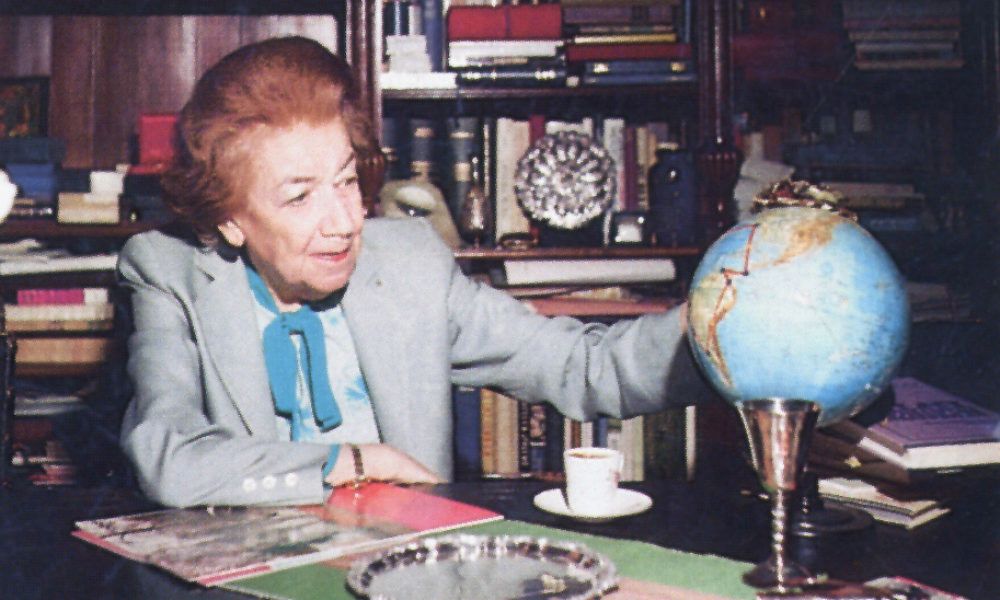
Ana Aslan was born in Brăila on January 1, 1897. She is widely regarded as one of the most influential Romanian women in the field of medicine and scientific research. At the age of 13, she lost her father and moved with her mother to Bucharest. As a teenager, she dreamed of becoming a pilot and even flew a small plane, but suddenly she decided that her true calling was medicine. Her mother strongly disapproved, believing that such a career was not suitable for women. Determined to follow her path, Ana went on a hunger strike to convince her otherwise — and it worked.
Between 1915 and 1922, she attended the Faculty of Medicine in Bucharest. When the First World War broke out, Ana cared for wounded soldiers in military hospitals. After the war, she returned to Bucharest to complete her Ph.D. thesis. She later worked in several hospitals, gaining experience in different medical fields, and in 1949 she was appointed head of the Physiology Department within the Institute of Endocrinology.
She began experimenting with the effects of procaine on rheumatic patients, and her first results were very promising. Procaine, also known as Novocain, had been synthesized in 1905 by the German chemist Alfred Einhorn and was mainly used as a local anesthetic. However, Ana had the visionary idea to study its effects on elderly patients. Her research demonstrated its potential in improving dystrophic disorders and slowing certain aging processes, placing her among the pioneering Romanian women in geriatric medicine.
She succeeded in extracting a substance from procaine that she named H3 vitamin, later known as Gerovital, a pharmaceutical product designed to treat aging-related conditions. In the same year, she founded the world’s first Institute of Geriatrics, with the goal of identifying effective ways to manage and reduce the effects of aging. Over the past decades, Gerovital has been used by millions of people worldwide, becoming closely associated with her name and her research.
Although she did not discover the fountain of youth, she developed treatments that helped people age with dignity and less discomfort. Her groundbreaking work attracted global attention. Despite Romania being under a communist regime with strict regulations regarding foreign access, Ana Aslan treated some of the most famous personalities of the 20th century, including Charles de Gaulle, Salvador Dalí, Sir Winston Churchill, Charlie Chaplin, Marlene Dietrich, Greta Garbo, and John F. Kennedy.
In 1980, she introduced a new product called Aslavital, used for prophylactic treatments of cerebral and cardiovascular aging processes, as well as physical and mental fatigue and memory loss. She also developed anti-aging cosmetic lines that are still produced today by the Romanian company Farmec under the name Gerovital Cosmetics.
She passed away in 1988 at the age of 91, leaving behind an extraordinary legacy. Ana Aslan remains one of the Romanian women who changed the way the world understands aging. Her lesson was simple yet powerful: aging is natural, but with knowledge and care, it can be approached with grace, vitality, and dignity.
Sofia Ionescu-Ogrezeanu – the first female neurosurgeon in the world
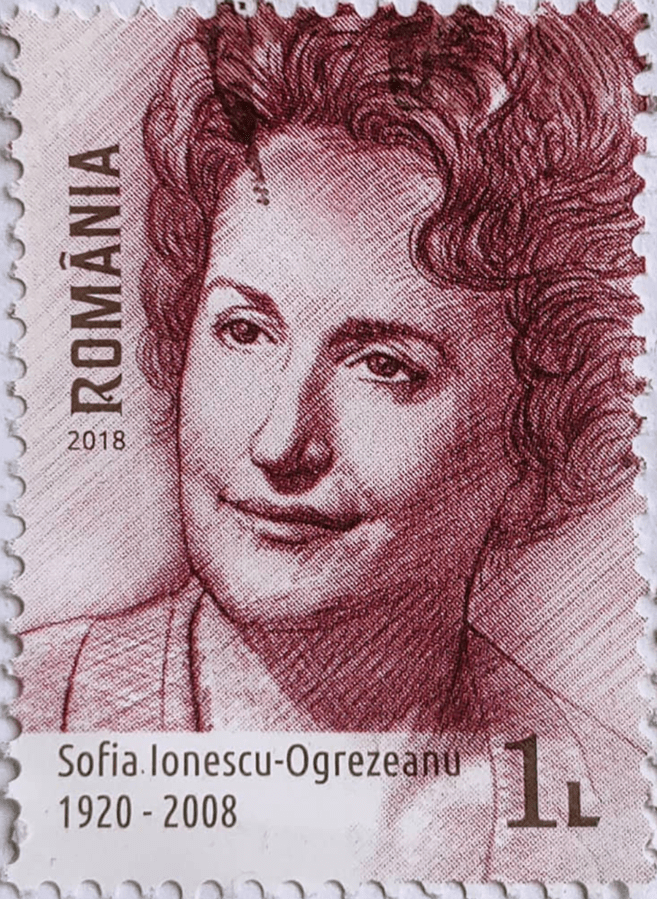
Sofia Ionescu-Ogrezeanu became the first female neurosurgeon in the world after performing an emergency brain surgery in 1944 on a child severely injured during a bombing. She was still a student at the time, but her quick decision to undertake the complex intervention saved the child’s life. She remains one of the most remarkable Romanian women in medical history. “This surgery,” Sofia Ionescu would later testify, “decided my life for the next 47 years and changed it 180 degrees compared to what I had planned — a quiet life as a general doctor in my hometown, Fălticeni.”
Born on April 25, 1920 (she passed away in 2008), she decided to pursue medicine after learning about the tragic death of one of her closest school friends, who died in Paris from an infection following brain surgery. She studied medicine in Bucharest and initially chose ophthalmology as her specialization. However, the outbreak of the Second World War changed the course of her life completely. She was sent to Suceava to care for patients suffering from typhus, an epidemic that spread during the war and affected many, especially children. Later, she volunteered to treat Soviet prisoners at her hometown hospital, and it was there that she entered the surgical department, performing her first operations, mainly amputations.
In 1943, she returned to Bucharest, but just one year later, the capital was heavily bombed. Hundreds of injured civilians were brought to hospitals, and medical staff was insufficient. It was during this critical moment that she received a badly injured child and made the courageous decision to operate. She saved his life, and that intervention marked the true beginning of her career in neurosurgery. From that point forward, she became one of the pioneering Romanian women who broke barriers in a field dominated by men.
Over the years, she built a reputation for her extraordinary surgical skills and her tireless work ethic. Personally, she was known for her modesty and quiet strength, yet in the operating room she was brave, precise, and determined. Sofia Ionescu remains a powerful example of dedication and courage, proving that some of the greatest Romanian women changed history not through fame, but through life-saving decisions made in moments of crisis.
Elena Ghica – the alpinist princess
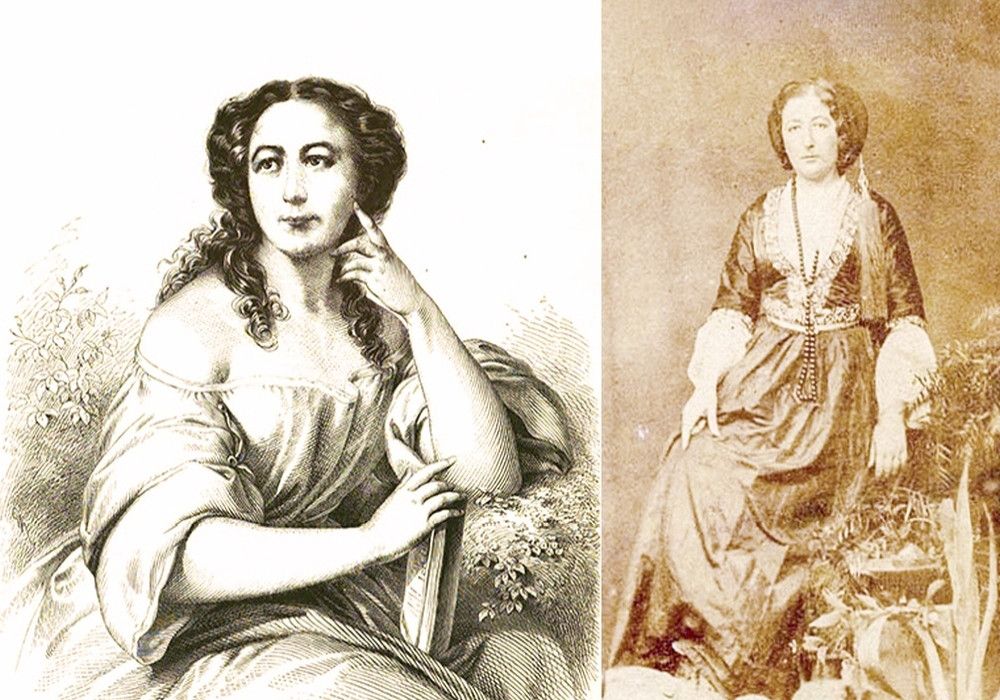
Elena Ghica was born in Bucharest on February 3, 1828. She was the first child of Mihalache Ghica and the niece of Prince Grigore IV Ghica. She was described as one of the most beautiful women of her time, but beyond her beauty, she possessed an exceptional mind and remarkable knowledge, securing her place among the most fascinating Romanian women of the 19th century. Considered a child prodigy, by the age of five she was already fluent in Romanian, Greek, Latin, French, Italian, English, and German. At just 11 years old, she wrote her first short story, and three years later she translated Homer’s Iliad into German. She later learned Russian and Albanian as well. When she was 14, her family moved abroad, and she continued her education in Vienna, Venice, and Berlin.
At the age of 21, she briefly returned to Iași with her family, where she captivated the Russian officer Alexander Koltsov Masalsky, who saw her at a ball. The two married in 1849 in Iași, and she left Romania to settle in St. Petersburg. Her beauty and refinement impressed Russian society, and the Romanian princess, who was also a talented painter, won a prize at a landscape competition organized by the Hermitage Museum. Her reputation and influence grew rapidly. However, not everyone appreciated her intelligence and liberal ideas. Her independent spirit and active involvement in political discussions attracted criticism. It is said that in St. Petersburg she was once told, “Politics, if possible, should not interest you.”
She eventually chose to leave Russia, although she officially retained the title Princess Koltsov-Masalsky. After separating from her husband, she devoted herself fully to writing, where she truly excelled. She adopted the pseudonym Dora D’Istria, fearing that praise might be attributed to her noble status rather than her talent and hard work. The name “Istria” emphasized her Balkan roots, reflecting her family’s Albanian origins, while “Dora” was believed to echo the Romanian word dor, meaning longing — perhaps a subtle expression of her deep attachment to her homeland. Through her intellectual courage and independence, she became one of the Romanian women who boldly challenged the expectations of their era.
Beyond her artistic and literary activity, Dora D’Istria lived an adventurous life. In April, she traveled to Switzerland and climbed the Mönch peak (4,105 meters), marking her achievement by placing the Romanian flag at the summit. She thus became the first Romanian climber and one of the first women climbers in the world. She also climbed Mount Vesuvius in Italy. In addition to mountaineering, she practiced shooting and horseback riding. She actively campaigned, through her writings, for women’s rights, addressing themes such as folklore, history, art, geography, and the situation of women in the Orient. Her voice was powerful and ahead of its time, placing her among the pioneering Romanian women who advocated for female emancipation.
Although much of her feminist activity took place abroad, she was the first woman in Romania to openly fight for the emancipation of women. Her best-known work, published in 1869, was titled About Women by a Woman. Throughout her literary career, she published in six languages: French, Italian, Greek, Russian, German, and English. Most of her works, written far from her homeland, were not translated into Romanian during her lifetime.
Even though she spent much of her life outside Romania, she remained deeply connected to her native country and became a true cultural ambassador of Romanian identity abroad. She lived most of her later years in Florence, Italy, where she passed away on November 17, 1888, in her home, Villa D’Istria. In her will, she requested that the Florence City Hall sell the villa and use the proceeds to benefit the Deaf Institute. The rest of her fortune was left to the Bucharest City Hall, with the stipulation that it support the Pantelimon Hospital, founded by her family. Through her intellect, courage, and philanthropy, Elena Ghica secured her place among the most visionary Romanian women in history.
Smaranda Brăescu – the Queen of Heights
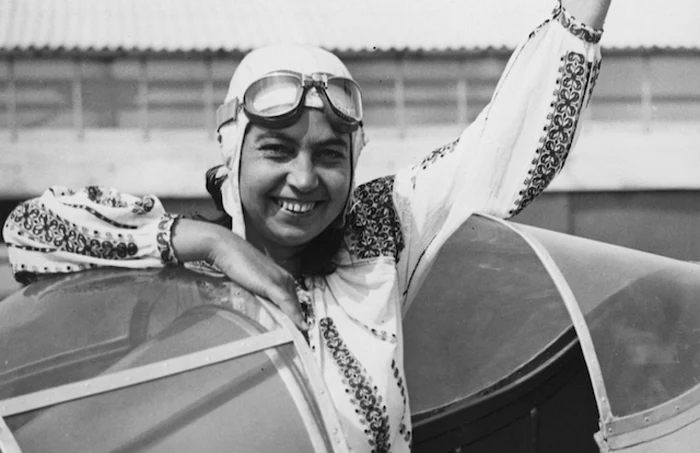
No one knows exactly when Smaranda was born, but it is believed to have been sometime between 1897 and 1905, in May. She remains one of the boldest Romanian women in aviation history, even if parts of her life are still surrounded by mystery.
What is certain is that by the end of the 1920s, Smaranda was around 25–30 years old and dreaming with all her heart of becoming an aviator — something almost inconceivable for Romanian women at that time. For months, she tried to obtain her pilot’s license but was repeatedly refused, being told that “the country has no planes to crash.” She refused to give up and found an indirect way to enter the world of aviation: skydiving. Borrowing money from an acquaintance, she traveled to Berlin to the famous Schröder parachute factory. There, she bought her beloved white silk parachute, number 7198, and made her first jump on July 5, 1928. With that leap, Romania became the fourth European country to have a paratrooper, after France, Czechoslovakia, and Switzerland.
After this success, Smaranda began receiving invitations to competitions and air shows, despite criticism from many. On August 30, 1930, during an air show in Satu Mare, she sensed something was wrong but agreed to perform. Strong air currents caused a brutal landing. Many believed she had died, but she survived, though with several broken bones, and spent six months hospitalized. Most assumed she would abandon her dreams. Instead, as soon as she recovered, she announced that she would pursue performance parachuting.
Despite financial difficulties and limited equipment, she persevered. In the fall of 1931, she jumped over the Bărăgan Plain from 6,200 meters, breaking both the national and the women’s world record, previously set at 4,800 meters. It was the first international record broken by a Romanian and a remarkable moment for Romanian women striving to enter fields dominated by men. The following day, King Carol II awarded her the Order of the “Aeronautical Virtue,” Golden Cross class. Her achievement was officially recognized, giving her even more courage. She soon declared her intention to break the absolute world record held by an American.
Her ambition captured public attention. The newspaper Universul launched a public subscription to support her, and with the funds raised — along with financial support from the National Bank of Romania — Smaranda left for the United States on December 14, 1931. Her first five attempts failed due to technical limitations or safety concerns. She suspected that the Americans might have been discreetly sabotaging her efforts. On the sixth attempt, determined beyond fear, she decided she would jump — with or without a parachute.
On May 19, 1932, above the Sacramento Plain, Smaranda made the leap of her life from 7,400 meters, breaking the American record of 7,233 meters. This performance helped her obtain her pilot’s license in the United States, making her one of the first licensed female aviators in Romania. In 1935, she acquired a single-engine Miles Hawk Major aircraft from England, which she named “Aurel Vlaicu.” In the spring of 1936, she achieved what many considered impossible: crossing the Mediterranean Sea non-stop, flying 1,100 kilometers from Rome to Tripoli in 6 hours and 10 minutes, in a single-engine plane. Few believed she would succeed, but Smaranda once again proved that she was one of those Romanian women who refused to accept limits.
A more difficult period followed. Financial struggles forced her to abandon two major ambitions: reclaiming her parachuting record with a jump from 12,000 meters and crossing the Atlantic by plane.
When Romania entered the Second World War, she became an instructor in the first parachute company of the Romanian army and helped transport wounded soldiers from the front to field hospitals. During the bombings of Bucharest in 1944, she lost her beloved parachute, which many believe was stolen.
The final years of her life remain unclear. After the war, when the Communist regime came to power, Smaranda was accused of involvement in a group opposing the government and was sentenced to two years in prison, but she was never found. Some believe she lived in hiding for years, possibly in Cluj-Napoca or at a monastery. Others claim she fled to France or the United States. There are even accounts suggesting she died of cancer at around 50 years old and was buried under a different name. None of these stories have been fully confirmed.
What is certain is that Smaranda belonged to the sky. Fearless and determined, she achieved what many believed was impossible, securing her place among the most daring Romanian women in history.
Monica Lovinescu – defying the communists

Monica Lovinescu was born in 1923, the daughter of the great literary critic Eugen Lovinescu and Ecaterina Bălăcioiu. From an early age, she was drawn to the world of books, showing remarkable literary talent as a child. She would later become one of the most influential Romanian women in the cultural and political resistance against communism. Although she began her journey as a writer and intellectual, she devoted most of her life to fighting totalitarian oppression.
In September 1947, at the age of 24, she left for Paris on a scholarship offered by the French state. In early 1948, she applied for political asylum. Romania’s political landscape had changed dramatically after World War II, and France offered her both safety and intellectual freedom. Initially, she intended to remain in Paris only temporarily, planning to complete her studies and return home. However, as the communist regime tightened its control, she realized that returning was no longer possible. She hoped instead to bring her mother to France. Tragically, events unfolded differently. Beginning in 1955, her mother, Ecaterina, was closely monitored by the Securitate, the secret police of the Socialist Republic of Romania. In 1958, she was arrested and sentenced to 18 years in prison for “hostile discussions against the political regime.” She was 71 years old at the time. Her refusal to cooperate with the authorities and to pressure Monica into returning to Romania led to the denial of essential medical treatment. She died in 1960 at the Văcărești penitentiary hospital and was buried in an anonymous grave. This painful loss deeply marked Monica and strengthened her determination to fight for her country from abroad, securing her place among the Romanian women who resisted dictatorship through intellect and courage.
Starting in 1962, Monica Lovinescu began collaborating with Radio Free Europe, hosting two weekly broadcasts. Her voice became one of the most important sources of information and moral support for Romanians living under censorship. Although the communist regime banned the station, many people secretly listened to it, as it represented their only real connection to the outside world. Through her programs, she promoted freedom of expression, cultural integrity, and democratic values.
Her open opposition to the regime eventually brought serious consequences. In 1977, she was violently attacked in the yard of her home in Paris by two agents sent by the Securitate on the orders of Nicolae Ceaușescu. She was hospitalized in a coma but miraculously recovered after five days. The attack did not silence her. On the contrary, she returned to the microphone with even greater determination, continuing to defend freedom and justice for Romanians suffering under dictatorship. She remains one of the Romanian women whose voice became stronger in the face of fear.
Monica Lovinescu passed away in Paris on April 20, 2008, at the age of 85. Throughout her life, she campaigned tirelessly for the well-being and dignity of her country. She left behind a body of work of immense cultural and moral value. Above all, she remains a symbol of integrity, courage, and unwavering patriotism.
Related Trips

Tours from Bucharest
Shared Tours
Tours from Bucharest
Private Tours

Tours from Budapest
Private Tours

Tours from Bucharest
Shared Tours
Other articles

When she was only 14, Nadia Comaneci astounded the entire…

Mircea Eliade was a distinguished philosopher, novelist and historian of…

George Enescu is undoubtedly the most renowned Romanian composer, his…

Constantin Brancusi, the creator of modern sculpture has influenced today’s…

The Romanian people have suffered a lot over time, and…

Not many locals know what is buried underneath the cross,…