
Chapters
Romanian drinks tell a story about the country’s landscape, seasons and traditions. From strong fruit brandies distilled in mountain villages to wines grown on sunlit hills and refreshing homemade summer beverages, drinks in Romania are closely tied to daily life and celebration. Some are linked to harvest season, others to religious holidays or family gatherings. Together, Romanian drinks reflect a culture shaped by agriculture, hospitality and regional identity — and exploring them offers a deeper understanding of the country beyond its landmarks.
Țuică – Romania’s Traditional Plum Brandy
Among all Romanian drinks, Țuică is the most traditional and widely recognized. This clear plum brandy is deeply connected to rural life, harvest season and the culture of welcoming guests. Strong and unpretentious, it usually contains between 40% and 55% alcohol and is still produced in many villages using family recipes.
How it is made:
Like many traditional Romanian drinks, Țuică follows a seasonal process. Fully ripe plums are harvested in late summer, crushed and left to ferment naturally for several weeks. The fermented mash is then distilled in a copper still, and the central portion of the distillate is collected as Țuică. The result is a clean, fruit-forward spirit that reflects the quality of the plums.
How to drink it:
Țuică is typically served in small glasses before a meal, especially when guests arrive. Among Romanian drinks, it plays a clear role in hospitality. It is sipped slowly rather than taken as a quick shot, often alongside bread, cheese or cured meats. In winter, it may be gently warmed. A simple “Noroc!” marks the start.
Pălincă
Among traditional Romanian drinks, Pălincă is known as the stronger, more refined cousin of Țuică. While Țuică is usually made only from plums and distilled once, Pălincă is typically double-distilled and can be produced from several fruits such as plums, pears, apples or apricots. It is especially associated with Maramureș and northwestern Romania, where fruit orchards are abundant.
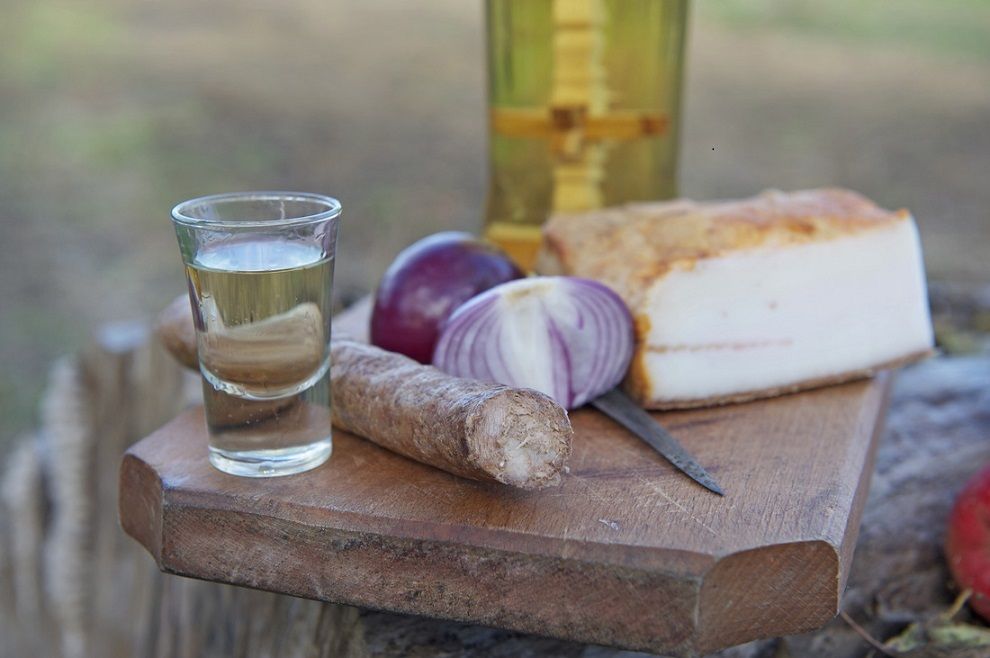
How it is made:
Like many Romanian drinks based on fruit, Pălincă starts with natural fermentation. Ripe fruit is crushed and left to ferment until the sugars convert into alcohol. The mash is then distilled twice in copper stills, which increases purity and strength. Alcohol content often exceeds 50%, making it one of the most powerful traditional Romanian drinks.
How to drink it:
Pălincă is served in small glasses and sipped slowly. It is often offered at weddings, religious celebrations and major family events. Because of its strength, it is usually consumed in moderation and accompanied by food. In some regions, it is slightly warmed during winter gatherings.
Rachiu
Rachiu is a broader term used for fruit brandy in Romania and can refer to various distilled spirits made from plums, apples, pears or other fruits. While Țuică and Pălincă are more specific, Rachiu is a general category within traditional Romanian drinks.
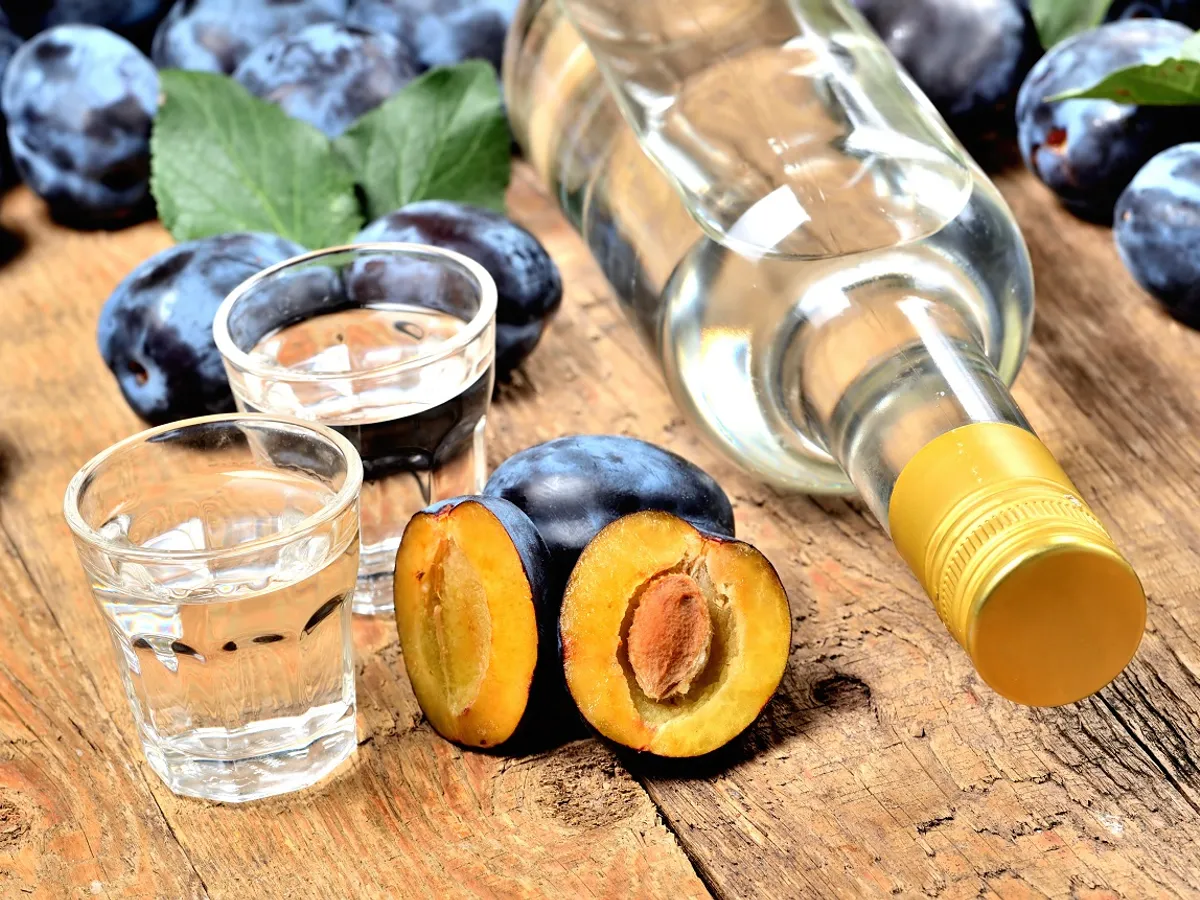
How it is made:
The production process follows the same principle as other Romanian drinks in this category: fruit fermentation followed by distillation. The final alcohol level and flavor depend on the fruit used and the number of distillation cycles. Unlike Pălincă, Rachiu may be single or double distilled, and quality varies significantly from household to household.
How to drink it:
Rachiu is usually consumed in rural areas and served before meals or during festive occasions. It is treated similarly to Țuică but may differ in aroma depending on the fruit. Pear or apple Rachiu, for example, can be noticeably softer on the palate.
Horincă
Horincă is a regional variety of plum brandy specific to Maramureș. Among Romanian drinks, it stands out for its high alcohol content and strong identity. In Maramureș, Horincă is more than a beverage — it is part of local pride and tradition.

How it is made:
Horincă is typically double-distilled from plums and reaches high alcohol levels, sometimes above 50%. The distillation process is carefully monitored, and experienced producers know exactly when to separate the first and last fractions of alcohol. This attention to detail gives Horincă its clean yet intense character.
How to drink it:
Horincă is served at important life events such as weddings, baptisms and village celebrations. It is offered to guests as a sign of respect. In mountain households, it may also be gently warmed during winter. Like other strong Romanian drinks, it is sipped slowly.
Vișinată
Among sweeter Romanian drinks, Vișinată is one of the most popular. Unlike distilled spirits, this is a homemade liqueur made from sour cherries, sugar and alcohol. It has a deep red color and a balanced sweet-sour taste.
How it is made:
Fresh sour cherries are layered with sugar in large glass jars and covered with alcohol (often Țuică or neutral spirit). The mixture is left to macerate for several weeks or months. During this time, the cherries release juice and flavor, creating a smooth, aromatic liqueur.

How to drink it:
Vișinată is usually served after a meal, in small glasses. Compared to strong fruit brandies, it is softer and easier to drink. It is common at family gatherings, holidays and festive dinners.
Other Traditional Fruit Liqueurs
Vișinată belongs to a broader family of sweet Romanian drinks made from seasonal fruits:
- Zmeurată – raspberry liqueur
- Afinată – blueberry liqueur
- Caisată – apricot liqueur
- Nucată – green walnut liqueur
All follow a similar maceration method: fruit, sugar and alcohol left to infuse over time. These liqueurs reflect the diversity of orchards and forests across Romania and are commonly homemade. Among Romanian drinks, they represent the softer, more aromatic side of traditional alcohol culture.
Romanian Wine: A Defining Chapter of Romanian Drinks
Among Romanian drinks, wine holds a special position. Romania is one of the oldest wine-producing countries in Europe and consistently ranks among the top producers by volume. While fruit brandies dominate village life, wine represents refinement, history and regional identity.
A Brief History of Wine in Romania
Wine production in Romania dates back over 2,000 years. The ancient Dacians cultivated vines long before the Roman conquest. When the Romans arrived in the 2nd century AD, they expanded viticulture and introduced more structured winemaking techniques.
Throughout the Middle Ages, monasteries played a key role in preserving wine traditions. In regions like Moldova and Transylvania, religious institutions maintained vineyards and improved production methods.
During the communist period (1947–1989), wine production became industrialized and focused heavily on quantity rather than quality. After 1990, the industry underwent significant restructuring. Private investment, foreign expertise and modernization of vineyards transformed Romanian wine into a competitive European product.
Today, Romanian wine is gaining recognition internationally, and it has become one of the most refined categories within Romanian drinks.
Main Wine Regions of Romania
Romania’s climate and geography create diverse wine profiles. The country is divided into several major wine regions.
Dealu Mare (Southern Romania)
Located near Bucharest, Dealu Mare is often called Romania’s red wine capital. The region benefits from warm temperatures and long autumns.
Key characteristics:
- Powerful red wines
- Structured tannins
- Aging potential
This is the homeland of Fetească Neagră, Romania’s most famous native red grape.
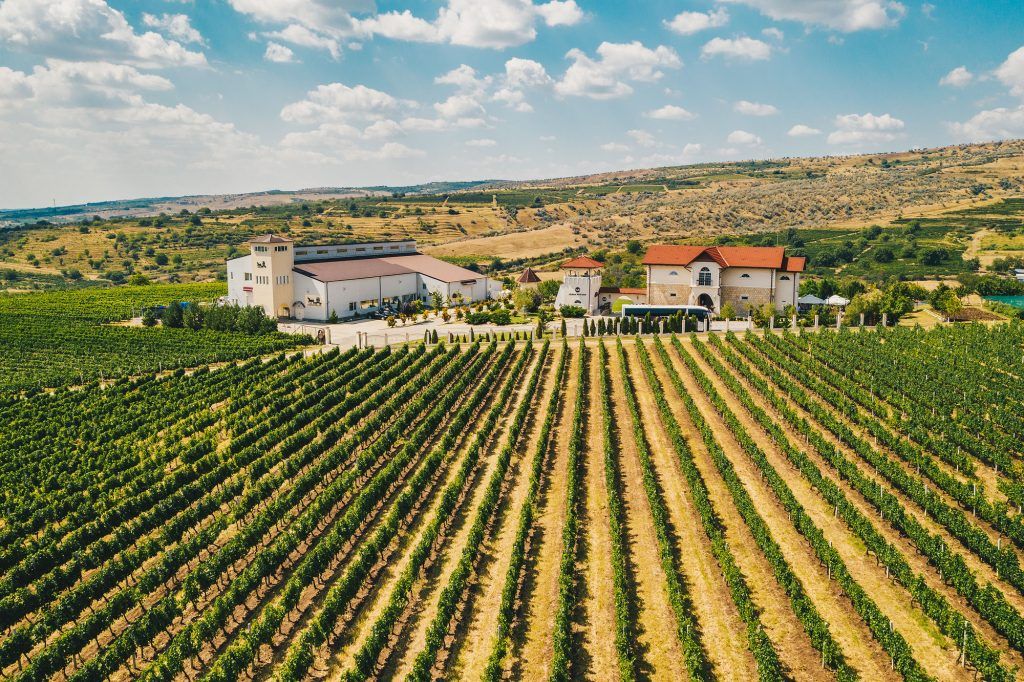
Moldova Wine Region (Eastern Romania)
One of the largest vineyard areas in the country, Moldova combines tradition and scale. It includes subregions such as Cotnari and Huși.
Known for:
- Sweet and semi-sweet wines
- Aromatic whites
- Historic vineyards
Grasă de Cotnari, a historic sweet wine, comes from here.
Transylvania
Transylvania’s cooler climate produces elegant white wines with fresh acidity.
Main traits:
- Lighter body
- Floral aromas
- Crisp finish
The region is especially known for Fetească Regală and other balanced white varieties, but not only.
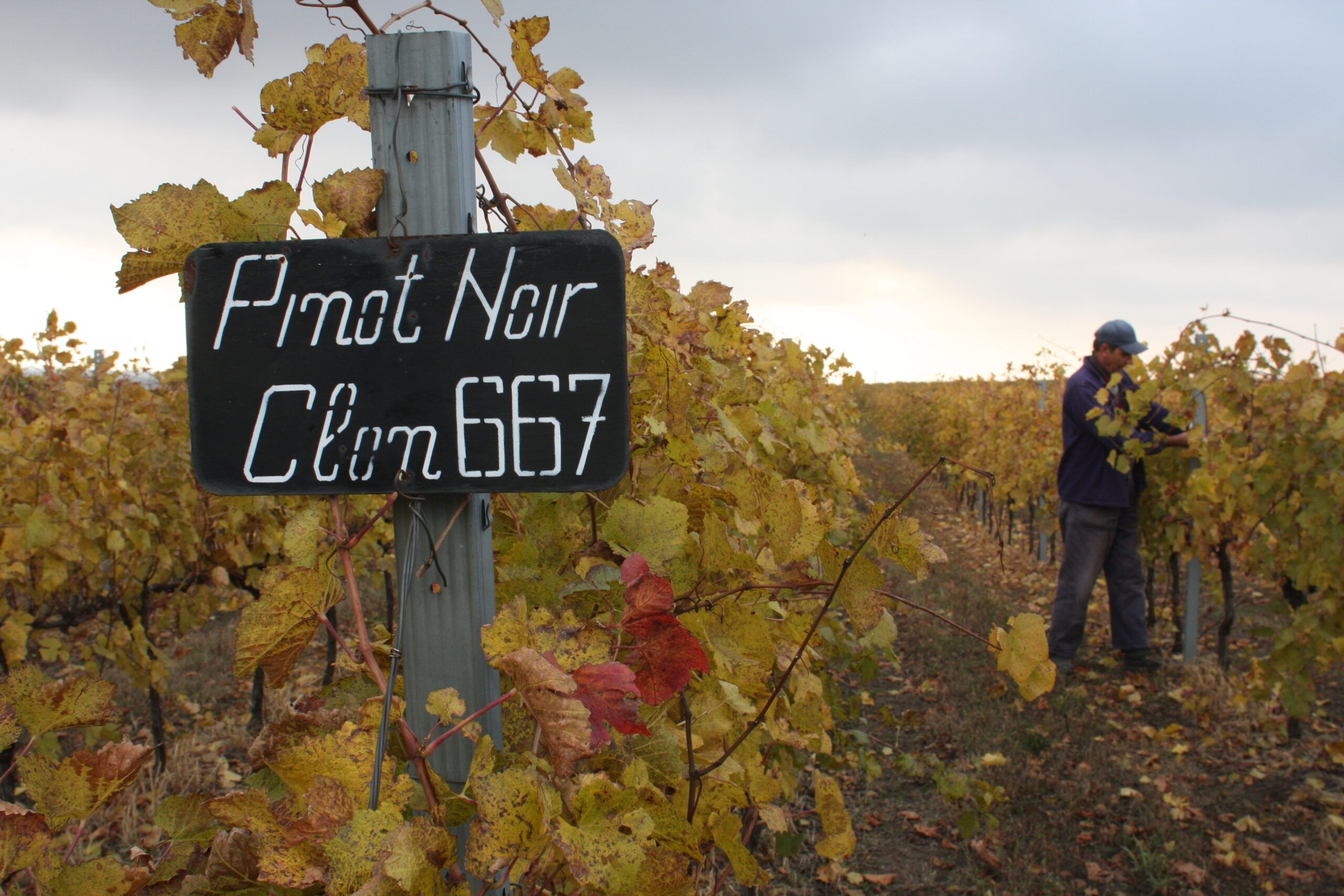
Dobrogea
Located between the Danube and the Black Sea, Dobrogea benefits from maritime influences and high sun exposure.
Wines from Dobrogea tend to be:
- Ripe
- Mineral-driven
- Well-balanced
This region produces both red and white varieties with Mediterranean character.
Native Romanian Grape Varieties
Fetească Neagră (Red)
Fetească Neagră is Romania’s most important native red grape and a flagship among Romanian drinks. It produces medium to full-bodied wines with notes of blackberry, plum and subtle spice. When well-made, it has good aging potential and elegant tannins.
Fetească Regală (White)
Fetească Regală is one of the most widely planted Romanian white grapes. It creates fresh, balanced wines with floral aromas and green apple notes. It is versatile, easy to drink and pairs well with fish and light dishes.
Fetească Albă (White)
Fetească Albă is an older native variety known for its delicate character. Wines are usually light to medium-bodied with subtle floral and citrus aromas. It is often used in blends but can also produce refined single-varietal wines.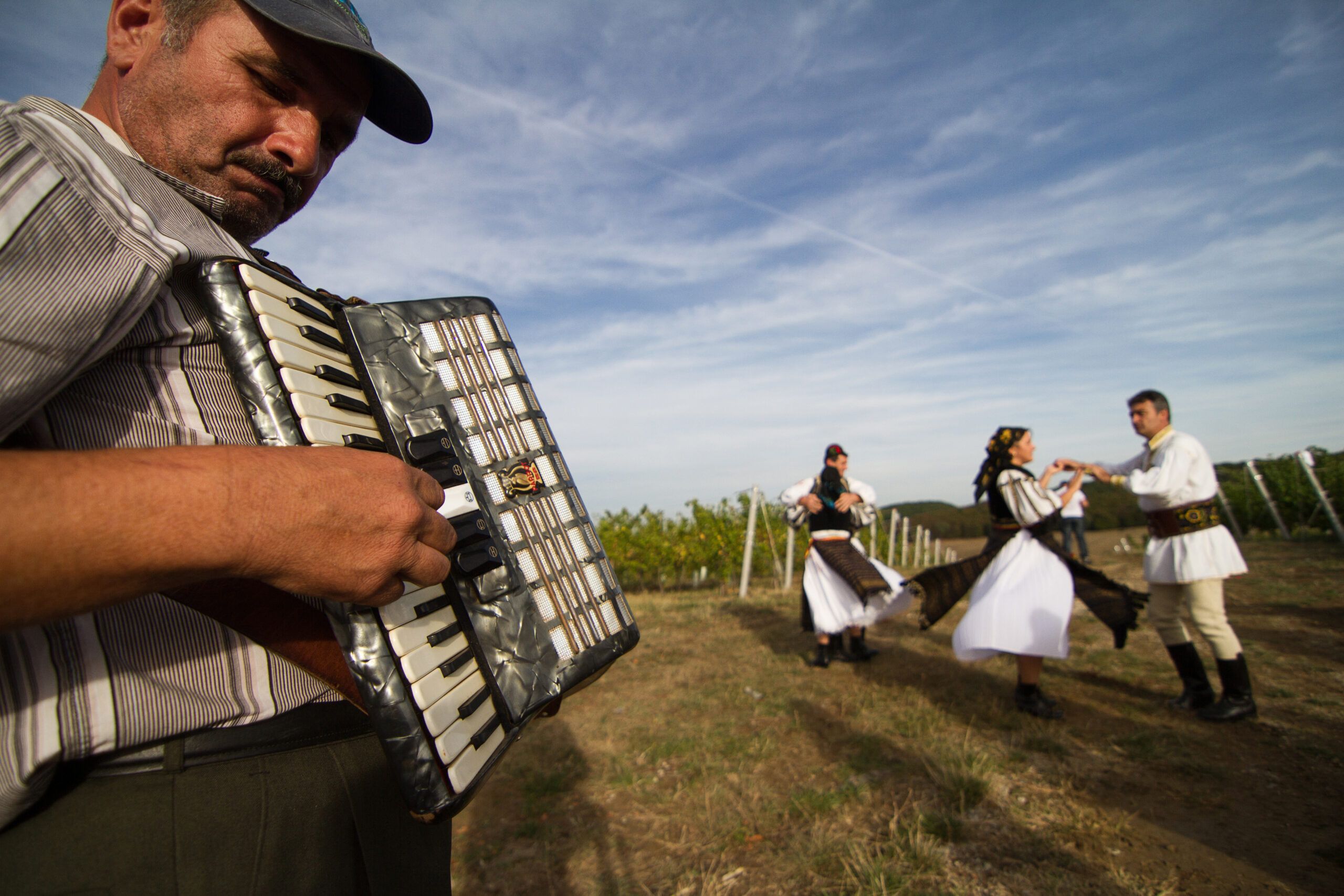
Grasă de Cotnari (White – Sweet)
Grasă de Cotnari is a traditional grape from the Moldova region, famous for sweet wines. It produces rich wines with honey, apricot and dried fruit flavors. Historically, it was served at royal courts and remains one of Romania’s classic dessert wines.
Busuioacă de Bohotin (Rosé)
Busuioacă de Bohotin is a distinctive aromatic grape used mainly for rosé wines. It offers notes of rose petals, strawberries and sometimes basil. The wine often has a slight natural sweetness and a very recognizable perfume-like aroma.
Wine at the Romanian Table
Wine holds a deeply rooted place among Romanian drinks, not as a luxury product but as something woven into everyday life. In many families, especially in rural areas, wine is homemade and consumed daily in moderate amounts, often diluted slightly with sparkling water during summer. It accompanies long lunches, Sunday family meals and religious holidays, and is seen as a natural extension of the land — something grown, produced and shared. Unlike stronger spirits such as Țuică, wine is less about ritual and more about continuity: conversation, community and slow meals that bring people together.
Beer Among Romanian Drinks
Beer is one of the most consumed Romanian drinks, especially in urban areas and during summer. While fruit brandies and wine are deeply tied to tradition, beer is associated more with everyday social life — terraces, barbecues, football matches and casual gatherings.
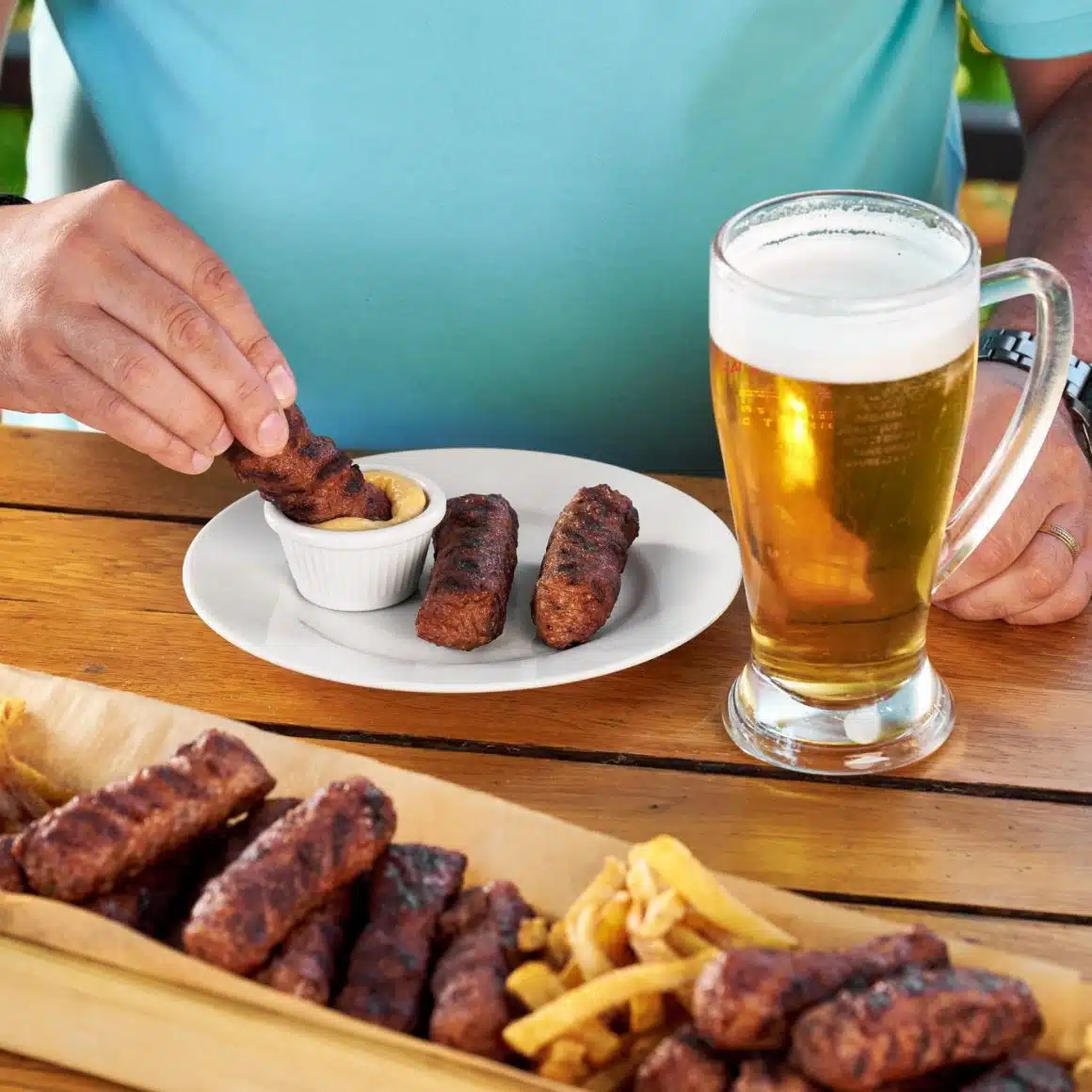
Romanians drink beer cold, often very cold, particularly in warm months when temperatures can rise significantly. It is usually enjoyed in large glasses (0.4L or 0.5L) and paired with grilled meats, mici (grilled sausages), fried snacks or sunflower seeds. Unlike wine, beer is more informal and relaxed.
When Romanians Drink Beer
Beer consumption peaks:
- In summer
- During football matches
- At music festivals
- During informal gatherings
Industrial Romanian Beer Brands
Romania has a strong industrial brewing sector, and several large brands dominate the market. Some of the most well-known include:
- Ursus – One of the oldest and most popular Romanian beer brands, originally from Cluj-Napoca.
- Timișoreana – Established in 1718, often promoted as Romania’s oldest beer brand.
- Ciucaș – Affordable and widely available, commonly consumed across the country.
- Bergenbier – A mainstream lager brand with nationwide distribution.
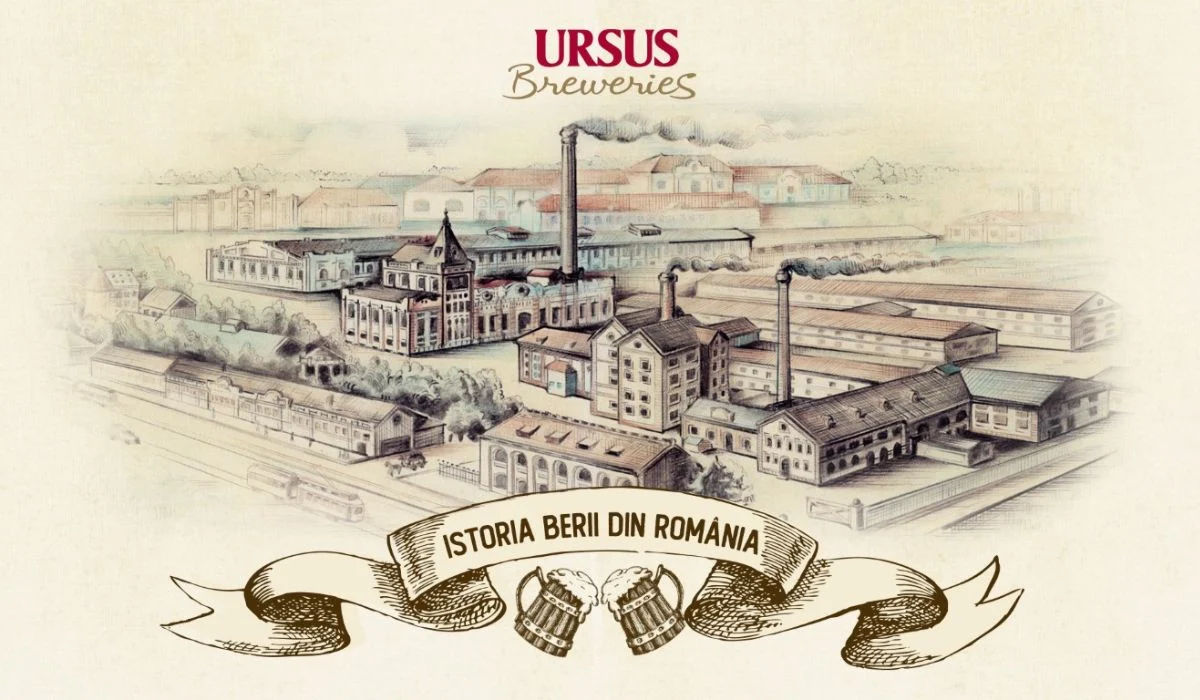
These beers are typically light lagers, easy to drink and designed for wide appeal. They are the most commonly ordered Romanian drinks in bars, festivals and sports events.
Craft Beer in Romania
In the last decade, craft beer has grown steadily, especially in cities like Bucharest, Cluj-Napoca, Timișoara and Brașov. Romanian craft breweries experiment with IPAs, stouts, pale ales and seasonal brews.
Notable craft breweries include:
- Capra Noastră (Iași) – One of the pioneers of Romanian craft beer, known for well-balanced IPAs and creative labels.
- Nenea Iancu (Prahova / Bucharest area) – Named after writer Ion Luca Caragiale, this brewery produces traditional styles with strong local identity.
- Hop Hooligans (Bucharest) – Recognized for modern, hop-forward beers and strong presence in specialty bars.
- Zăganu (Prahova Mountains) – Among the early craft pioneers, known for clean, classic styles.
- Ground Zero (Bucharest) – One of the first modern craft breweries in Romania.
Craft beer represents the modern evolution of Romanian drinks — less traditional but increasingly appreciated by younger generations and urban consumers. Taprooms and specialty beer bars have become part of city nightlife.
Traditional Non-Alcoholic Romanian Drinks
Must
Among seasonal Romanian drinks, must is one of the most anticipated. It is freshly pressed grape juice consumed during harvest season, before fermentation turns it into wine. Sweet, cloudy and intensely aromatic, must is available mainly in autumn and is strongly linked to vineyard regions.
How it is made:
Grapes are crushed immediately after harvest, and the juice is extracted without fermentation. The liquid is left unfiltered or lightly strained, preserving natural pulp and sugars. It is consumed fresh within a few days, as fermentation begins quickly.

Compot
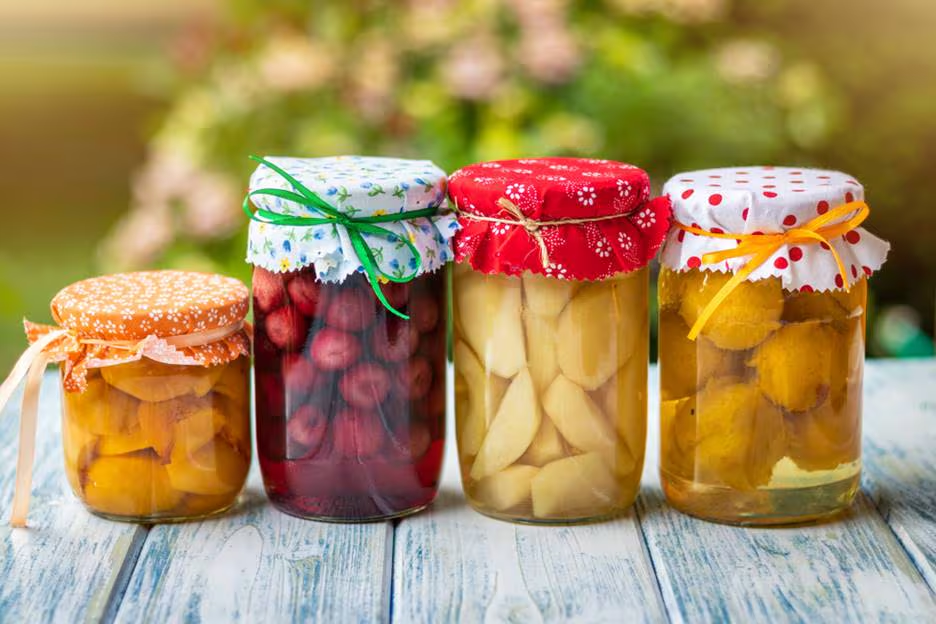
Compot is one of the most traditional Romanian drinks found in home kitchens. It is not a juice but a lightly sweetened fruit infusion served cold, often alongside meals. In many households, compot replaces commercial soft drinks.
How it is made:
Seasonal fruits such as cherries, plums, apricots or apples are boiled in water with a small amount of sugar. The mixture is then cooled and stored in jars. It can be consumed immediately or preserved for winter.
Fruit Syrups (Siropuri de Fructe)
Fruit syrups are concentrated and flavorful Romanian drinks typically diluted with still or sparkling water. Raspberry, sour cherry and elderflower syrups are especially popular. They are common in rural households and mountain areas.
How it is made:
Fresh fruit is boiled gently with sugar to extract juice. The liquid is strained and reduced into a concentrated syrup. When served, it is mixed with water according to taste.
Natural Fruit Juices (Sucuri Naturale)
In orchard-rich regions, homemade fruit juices are part of everyday Romanian drinks culture. Apple juice is the most common, but pear and mixed fruit juices are also popular. These drinks are especially common in autumn.
How it is made:
Fruits are pressed mechanically, and the juice is either consumed fresh or pasteurized for storage. Unlike commercial juices, homemade versions often remain slightly cloudy and less sweetened.
Socată
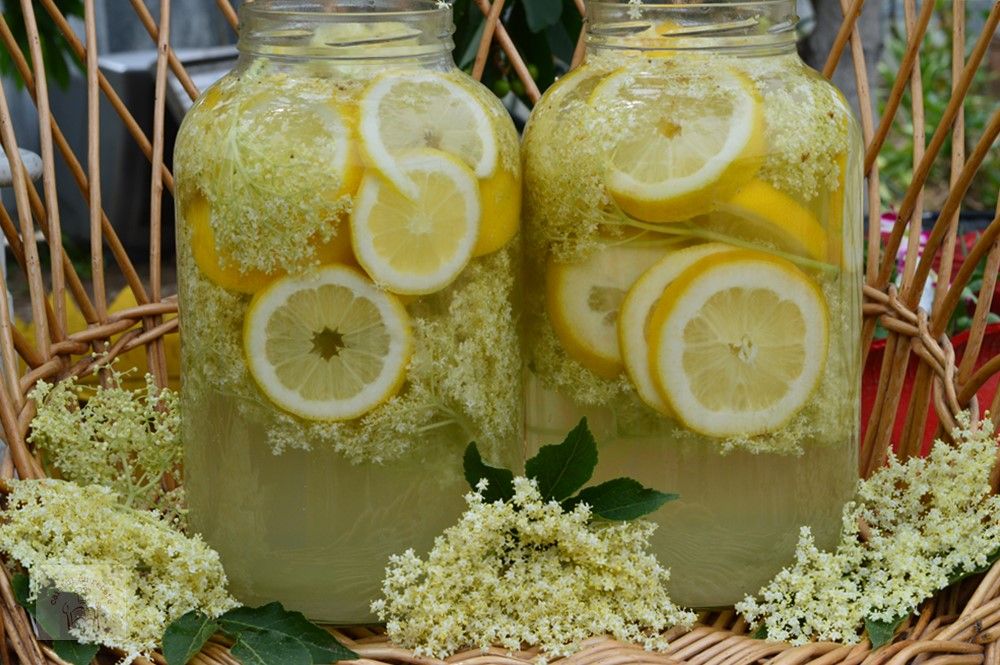
Socată is one of the most refreshing Romanian drinks and strongly associated with late spring. Slightly sparkling and floral, it is based on elderflowers and has a light natural fermentation.
How it is made:
Fresh elderflowers are combined with water, sugar and lemon slices and left to ferment for two to four days. Natural fermentation creates a mild carbonation. The drink is strained and served chilled.
Herbal Teas
Herbal teas are an important part of non-alcoholic Romanian drinks, especially in rural areas where plants are collected from meadows and forests. Many of these teas are consumed not only for their taste but also for their traditional health benefits.
Here are some of the most common plants used:
- Linden (Tei) – One of the most popular herbal infusions in Romania. It has a delicate floral aroma and is traditionally consumed in the evening for its calming and sleep-supporting properties.
- Chamomile (Mușețel) – Mild and slightly sweet, chamomile tea is widely used for digestion and soothing stomach discomfort. It is commonly given to children and consumed during colds.
- Mint (Mentă) – Fresh and aromatic, mint tea is typically drunk after meals. It is known for supporting digestion and relieving bloating.
- St. John’s Wort (Sunătoare) – Slightly bitter, this tea is traditionally associated with mood balance and stress relief. It is more common in rural households.
- Rosehip (Măceșe) – Made from dried wild rose fruits, this tea has a tangy taste and is rich in vitamin C. It is often consumed during winter to support immunity.
Final Thoughts
Romanian drinks are not only about alcohol or refreshment — they are about context. A glass of Țuică means welcome. A bottle of wine belongs at a long family meal. A jug of socată signals the arrival of summer. Even herbal teas connect to traditions passed down through generations.
For visitors, discovering Romanian drinks adds another layer to the travel experience. Whether tasting a native wine variety, trying homemade fruit liqueur or sipping elderflower lemonade in spring, these beverages offer insight into how Romanians gather, celebrate and share. And often, the most memorable drink is not the most expensive one — it is the one offered with pride.
Related Trips

Tours from Bucharest
Shared Tours
Tours from Bucharest
Self-drive Tours
Tours from Bucharest
Shared Tours
Tours from Bucharest
Shared Tours
Other articles

Romanian drinks tell a story about the country’s landscape, seasons…

If you’ve ever seen the Romanian traditional costume in real…

When travelers talk about Romania, they often mention its castles,…

When you visit Romania, you quickly realise that “tradition” here…

Baba Dochia, a legendary figure of Romanian folklore, is connected…

In Romania, the Fates have a quite special status as…