
Chapters
Transylvania packs more into one region than most countries: Gothic castles, walled medieval towns, fortified Saxon churches and the wild Carpathian Mountains. The unmissables are Bran (Dracula’s) Castle, Peleș and Corvin castles, the citadels of Brașov, Sibiu and Sighișoara, the Turda Salt Mine, the Transfăgărășan road and brown-bear watching. Most can be combined on a 4–10 day guided tour from Bucharest or Cluj.
Transylvania is the part of Romania everyone has heard of, even if only through the Dracula legend. In reality it is one of Europe’s most rewarding regions — a high plateau ringed by the Carpathians, scattered with castles, walled Saxon towns and villages where horse-drawn carts still share the road. You could spend weeks here, but these fifteen experiences are the ones worth building a trip around, grouped so you can mix and match by interest.
Castles & fortresses
1. Bran Castle — “Dracula’s Castle”
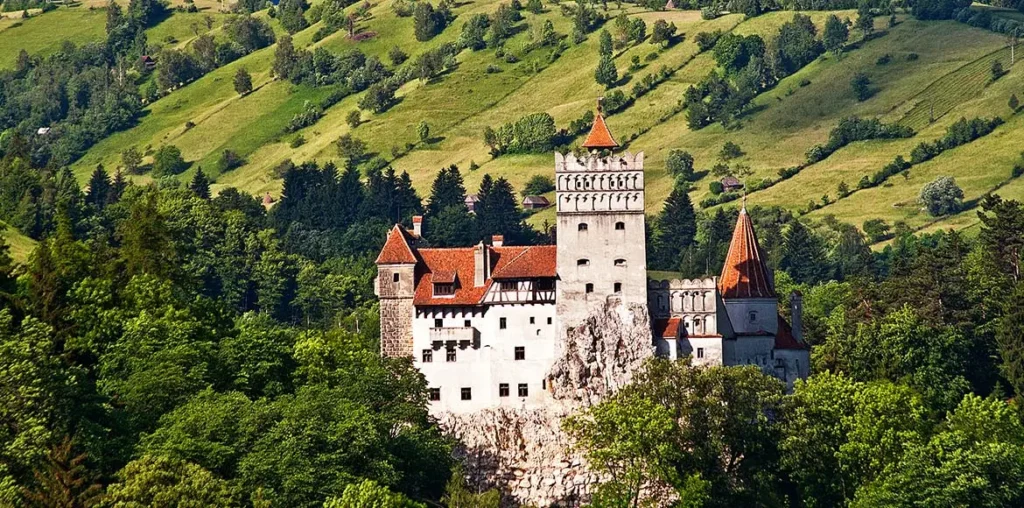
Perched on a rock above the village of Bran near Brașov, this is Transylvania’s most famous building. The Dracula association is literary rather than historical — Vlad the Impaler never lived here — but the narrow staircases, period rooms and tower views are genuinely atmospheric. Go early in the day to beat the coach crowds, and leave time for the market stalls at the foot of the hill. It’s the centrepiece of our 4-day Transylvania Castles Tour from Bucharest.
2. Peleș Castle, Sinaia
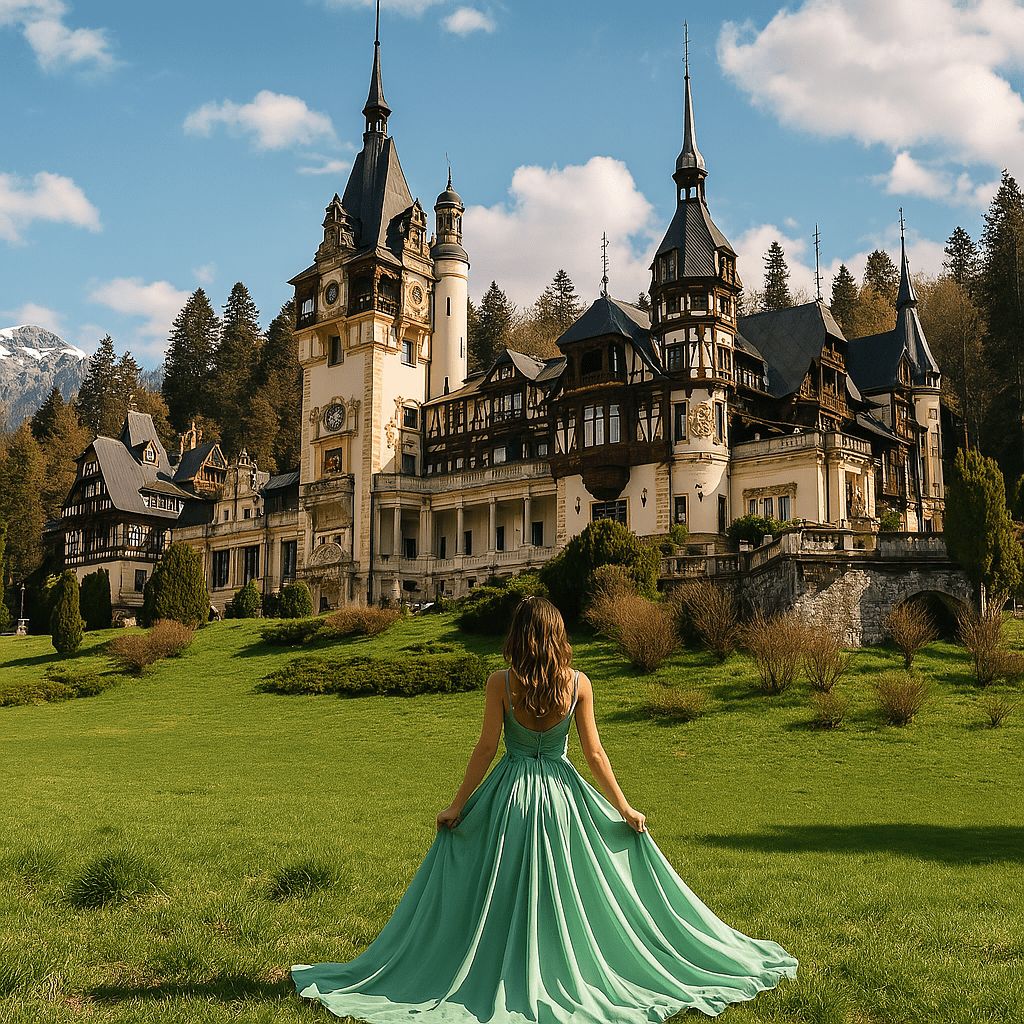
A complete contrast to Bran: an opulent Neo-Renaissance royal palace built for Romania’s first king, with one of the most lavish interiors in Europe — carved wood, stained glass and a weapons collection. It sits in the Prahova Valley on the road up from Bucharest, so it pairs naturally with Bran on a single day.
3. Corvin Castle, Hunedoara
The most cinematic of the three — a vast 15th-century Gothic fortress with a drawbridge, towers and a great knights’ hall. It lies further west, so it usually features on longer itineraries or on day trips out of Cluj, often combined with the Turda Salt Mine and Alba Carolina fortress.
4. Râșnov Fortress
A peasant citadel on a hill above the town of Râșnov, a short drive from Bran. Less visited but with sweeping Carpathian views, it makes an easy add-on when you’re already in the Bran–Brașov area.
Medieval towns & Saxon heritage
5. Brașov old town
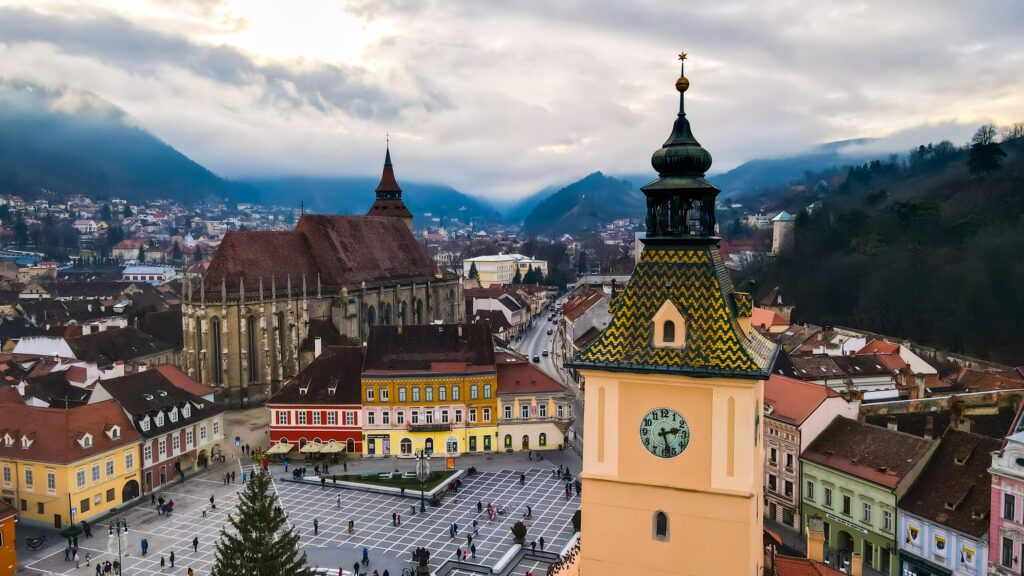
The gateway to Transylvania and a perfect base. The grand Council Square (Piața Sfatului), the Gothic Black Church (the largest Gothic church between Vienna and Istanbul), the narrow Rope Street and a cable car up Tâmpa Mountain for panoramic views can fill a relaxed day.
6. Sibiu
A former European Capital of Culture with pastel facades, cobbled squares linked by the Bridge of Lies, and the famous “eyes” — sleepy dormer windows — watching from the rooftops. Sibiu also has one of Romania’s best food scenes.
7. Sighișoara citadel
A living UNESCO World Heritage town and one of the few inhabited medieval citadels in Europe. It’s also the birthplace of Vlad the Impaler, the historical inspiration for Dracula. Climb the Clock Tower and the covered Scholars’ Stairs for the best views.
8. Fortified Saxon churches — Biertan, Viscri, Prejmer
From the 12th century, Saxon settlers built churches ringed by defensive walls to shelter villagers during raids. Several are UNESCO-listed. Viscri, championed by King Charles III, is the most romantic; Biertan and Prejmer are the most impressive fortifications. They are among the quietest, most authentic sights in the region.
9. Rural Saxon villages
Beyond the churches, villages like Viscri, Mălâncrav and Criț preserve a way of life that has all but vanished elsewhere in Europe — cobbled lanes, wildflower meadows and traditional crafts. Staying a night in a restored Saxon guesthouse is a highlight in itself.
Mountains, nature & the underground
10. Drive the Transfăgărășan
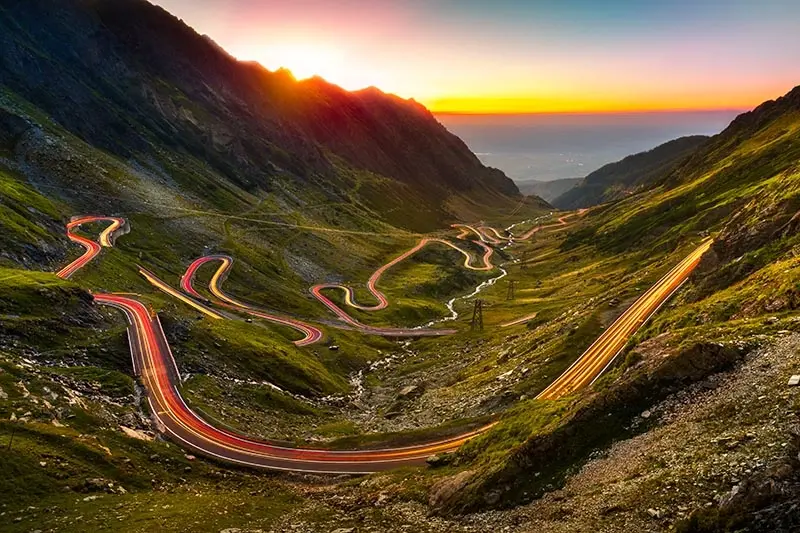
Open in summer only, this is one of Europe’s most spectacular mountain roads — a ribbon of hairpins climbing to Bâlea Lake at over 2,000 m, with waterfalls and glacial scenery. The Transalpina, further west, is a quieter alternative.
11. Turda Salt Mine
One of Transylvania’s most surprising attractions: a centuries-old salt mine near Cluj turned into a vast underground complex with an amphitheatre, a Ferris wheel and a subterranean lake you can row across. A favourite on day trips from Cluj.
12. Brown-bear watching
The Carpathians hold Europe’s largest brown-bear population. From purpose-built hides near Brașov you can watch wild bears at dusk in a safe, ethical setting — one of the continent’s great wildlife experiences and easy to add to a Transylvania trip, such as our 7-day private tour with wildlife experiences.
13. Hike the Carpathians
Piatra Craiului and the Bucegi Mountains offer everything from gentle valley walks to serious ridge hikes, plus cable cars for those who prefer the views without the climb. Wildflowers peak in June; autumn brings golden forests.
Food, wine & local life
14. Eat and drink Transylvanian
Hearty soups (ciorbă), polenta (mămăligă) with cheese and sour cream, sausages, and plenty of local wine and țuică (plum brandy). Brașov and Sibiu both have strong restaurant scenes mixing tradition with modern cooking.
15. Catch a festival or market
From the Sibiu International Theatre Festival and medieval festivals in Sighișoara to Christmas markets in Brașov and Sibiu, there’s usually something on. Late October is Halloween season around Bran Castle.
Practical tips for visiting Transylvania
When to go: May–June and September–October offer the best mix of mild weather, green or golden landscapes and fewer crowds at the castles. Summer is busiest; winter brings snowy fortresses and Christmas markets. See more about best time to visit Romania.
How long: Three to four days covers the main castles and a town or two; a week lets you add the fortified churches, the mountains and bear watching at a relaxed pace. See more about how many days you need in Romania.
Where to base: Brașov is the most central base for the castles; Sibiu suits the Saxon villages and the west; Cluj is the gateway to Turda and Corvin.
Getting around: Distances look short on a map but mountain roads are slow. A guided tour or a private car saves the most time and skips the parking headaches at popular castles.
See Transylvania with a local guide
- Best of Romania in 10 Days — Transylvania, Maramureș & Bucovina, from €1,997
- Halloween in Transylvania — 8 days & a party at Dracula’s Castle, from €1,376
- Browse all Transylvania tours
Frequently Asked Questions
What is the number one thing to do in Transylvania?
Visiting the castles — above all Bran (Dracula’s) Castle near Brașov, usually combined with Peleș Castle in Sinaia. For many visitors the medieval citadel of Sighișoara is an equal highlight.
How many days do you need in Transylvania?
Three to four days covers the main castles and one or two towns. A week lets you add the fortified churches, the mountains and bear watching at a relaxed pace.
Can you visit Transylvania from Bucharest?
Yes — Brașov, the gateway to Transylvania, is a 2.5–3 hour drive north. Most Rolandia Transylvania tours start in Bucharest and handle all transport.
Is Transylvania expensive to visit?
Transylvania is one of the better-value regions in Europe. Castle entry fees are modest, food and local wine are affordable, and a guided multi-day tour costs less than the equivalent in Western Europe — especially booked direct.
Related Trips
Tours from Brasov
Private Tours
Tours from Bucharest
Shared Tours
Tours from Bucharest
Shared Tours
Tours from Bucharest
Shared Tours
Other articles

Romania is home to roughly 6,000 brown bears — the…

Transylvania packs more into one region than most countries: Gothic…

Golf in Romania is still a discovery. Unlike the long-established…

A Danube cruise is one of the most comfortable ways…

Festivals in Romania have grown into some of the most…
